

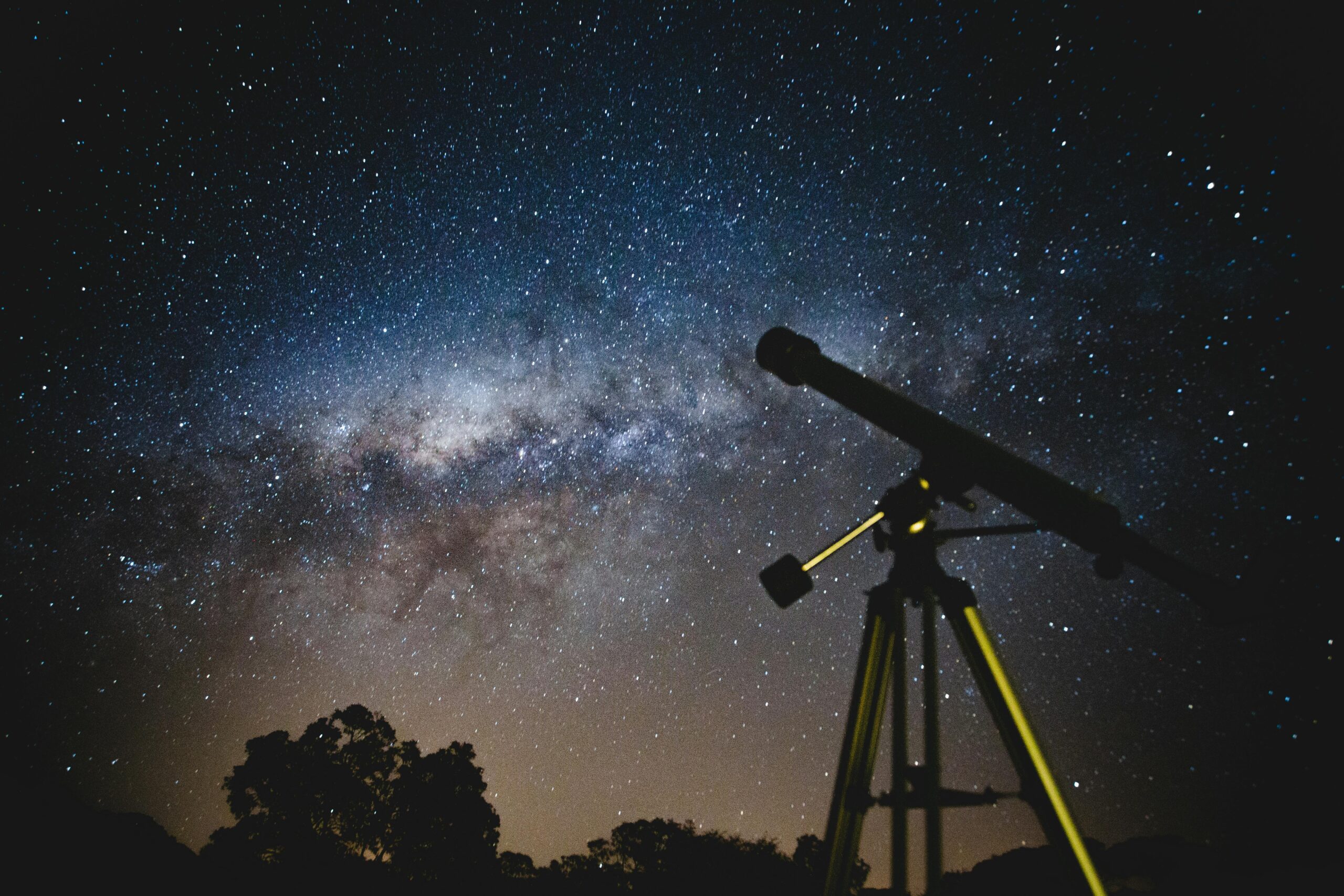
Have you ever dreamed of seeing the Milky Way in all its glory? Have you ever wondered what it would be like to gaze at the stars without the light pollution of cities? The Southern Iberian System has become one of the most coveted destinations for lovers of astrotourism, and it is no wonder. With areas that reach a level 1-2 on the Bortle scale of sky darkness (where 1 is the darkest possible sky and 9 the most polluted), this territory offers some of the best conditions in all of Europe for astronomical observation.
The phenomenon of astrotourism: more than a trend
Astrotourism has seen exponential growth in recent years, with a 300% increase in related searches since 2019. And it's no wonder: in an increasingly urbanized world, where 83% of the world's population lives under light-polluted skies, finding places like the Southern Iberian System becomes a real treasure. This territory, which covers parts of Teruel, Guadalajara and Cuenca, offers more than 250 clear nights a year, making it a prime destination for star hunters.
The best spots for astronomical observation
The region has several strategic points that have been certified as Starlight Tourist Destinations, an international recognition that guarantees the excellent quality of the night sky. These places not only offer exceptionally dark skies, but also have infrastructures specifically designed for astrotourism, such as observation platforms, public observatories and adapted rest areas.
Starlight Skies: A Certified Natural Treasure
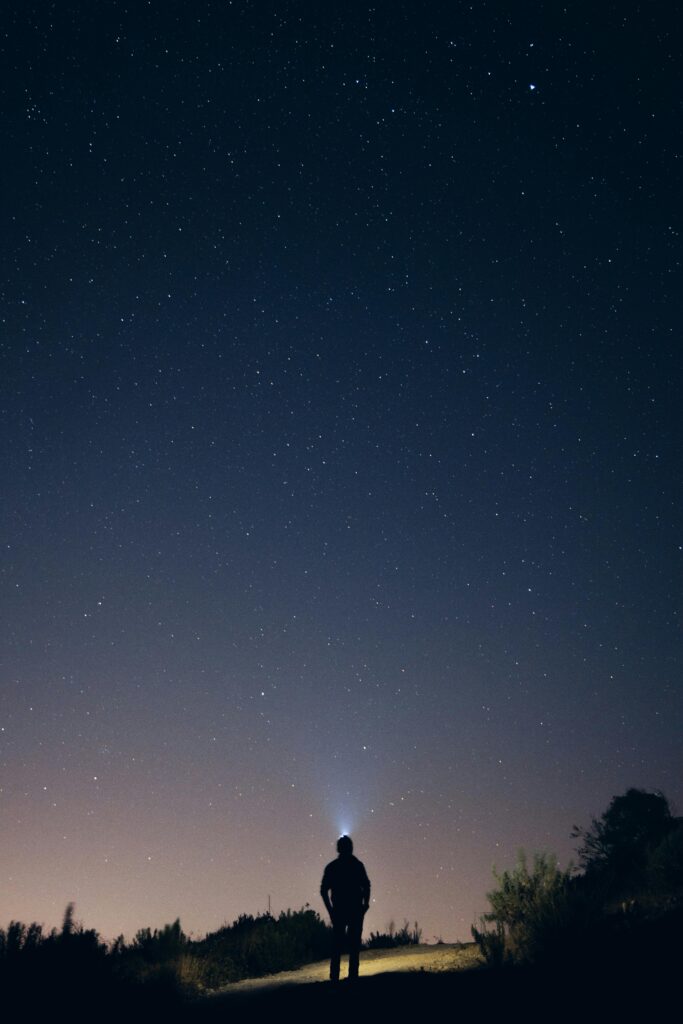
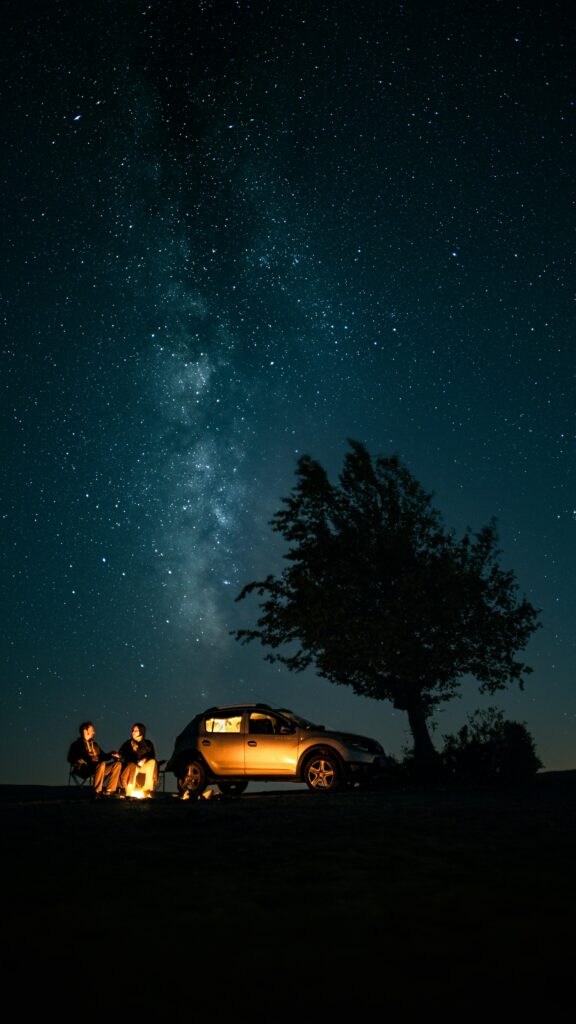
The exceptional quality of the skies of the Southern Iberian System has been internationally recognized with the Starlight CertificationThis distinction guarantees that the region has dark and clear skies, ideal for astronomical observation. Low light pollution, excellent atmospheric quality and the protection of the natural environment make this place a true paradise for amateur and professional astronomers.
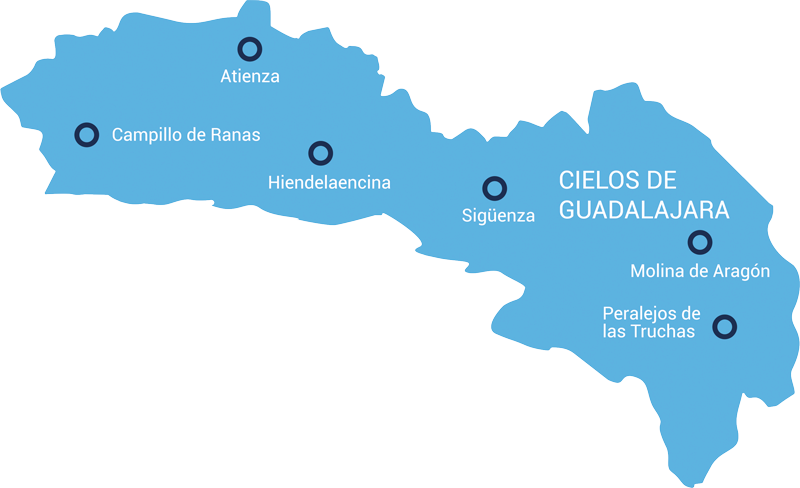
In addition to the Serranía de Cuenca, other areas of the Southern Iberian System such as the Sierra de Albarracín and the Guadalajara Skies where the Alto Tajo and part of the Parameras Ibéricas are located have also obtained this prestigious certification, consolidating this region as one of the best astrotourism destinations in Spain.
Plan your stellar adventure
When to visit: timing is everything
Astronomical observation requires planning, and the Southern Iberian System is no exception. The months from July to September offer the best conditions, with warm nights and clear skies. However, each season has its charm: in winter, although temperatures are lower, the atmosphere is cleaner and winter constellations, such as Orion, are especially spectacular. New moons are the optimal times for observation, so check the lunar calendar before planning your trip.
Essential equipment
To make the most of your astrotourism experience, you’ll need a few basic items. A telescope isn’t essential to get started – good binoculars (7x50 or 10x50) can be enough to get you started. It’s also essential to bring warm clothing (temperatures can drop considerably at night), a red flashlight (to keep up with dark adaptation), and astronomy apps like Stellarium or Sky Map.
Unique experiences under the stars
Companies specialized in astrotourism
The territory has a wide range of companies specializing in astrotourism that will provide you with a unique experience under the stars. Expert guides will accompany you on nighttime observations with professional telescopes, sharing their knowledge about the universe and answering all your questions. In addition, you can enjoy complementary activities such as night photography workshops, night hiking or dinners under the stars.
Activities and special events
Throughout the year, numerous astronomy-related events are organised: night photography workshops, guided observation sessions, talks on stellar mythology and special events during the most important meteor showers, such as the Perseids in August or the Geminids in December.
The impact of astrotourism in the region
The development of astrotourism has had a positive effect on the local economy, generating new employment opportunities and helping to combat rural depopulation. Rural accommodations have adapted their facilities to offer astronomical experiences, and companies specializing in night guides and activities related to astronomy have emerged.
The Southern Iberian System has established itself as a top-level destination for astrotourism, offering a unique combination of clear skies, adequate infrastructure and memorable experiences. Whether you are an amateur astronomer or simply someone looking to reconnect with the universe, this territory has something special to offer. Don't wait any longer to discover the magic of a truly starry sky.