

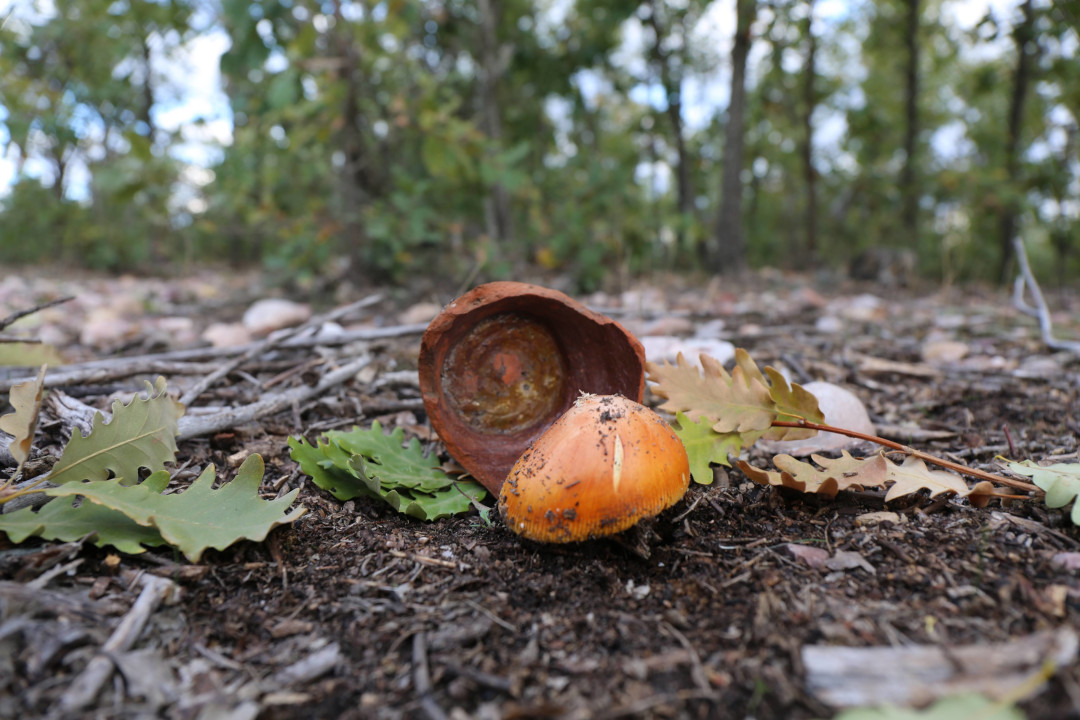
He Southern Iberian System, composed of Serranía de Cuenca, Alto Tajo, Sierra de Albarracín and Parameras Ibéricas, represents a true paradise for nature lovers and, in particular, for fans of mycology. This space, characterized by its geographic, climatic and ecological diversity, It is home to an exceptional wealth of fungi that deserves to be explored and appreciated.
Fungi play a crucial role in our ecosystems, acting as decomposers, forming symbiosis with plants and contributing to the environmental wealth present in each territory. In addition, many species are appreciated in local gastronomy and are an important part of the region's culture. In this article, We will dive into the fascinating world of fungi in the Southern Iberian System, discovering its diversity, ecological importance and cultural value.
The mycological diversity of the Southern Iberian System
The extraordinary variety of fungi present in the mountains of the Southern Iberian System is due to a combination of several factors:
- Climate: The area has a continental Mediterranean climate, with Atlantic influences in some areas, which encourages a great diversity of species.
- Altitude: With heights ranging from 800 to 2,000 meters, different bioclimatic floors are created that house different fungal communities.
- Floor: The variety of substrates, from calcareous to siliceous, favors the presence of different species.
- Vegetation: Diverse ecosystems, from coniferous forests to high mountain grasslands, provide habitats.
A journey through the different mycological zones
- Serranía de Cuenca: With its extensive forests, the Serranía de Cuenca is a true paradise Mycological. Here we can find a great variety of edible species, which attract seekers and enthusiasts every year.
- Alto Tajo: The Alto Tajo Natural Park, with its deep canyons and riverside forests, is home to a very particular fungal communityWet areas favor the development of species that are more dependent on moist, nutrient-rich soils.
- Sierra de Albarracín: In the Scots pine forests of the Sierra de Albarracín, we can find species adapted to acidic soils and considerable altitudes. In addition, high mountain areas are home to other species more adapted to extreme conditions.
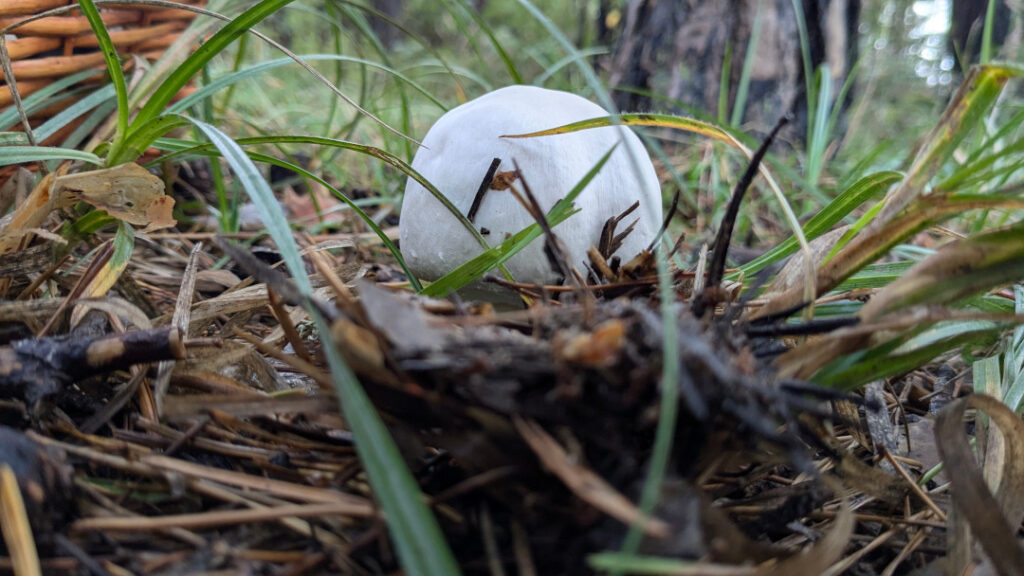
- Parameras Ibéricas: The parameras, with their extensive grasslands and scrublands, offer a different habitat for fungi. Here we can find species such as Macrolepiota procera and various species of mushrooms.
Mycology and gastronomy
Autumn in the Southern Iberian System is a magical time. The forests are tinged with ochre and red, and the air is filled with an intense aroma of damp earth. But beyond its scenic beauty, this season offers a unique gastronomic gift: the abundance of mushrooms.
Since ancient times, the inhabitants of these mountains have known how to take advantage of this natural wealth. Knowing the secrets of the forest, they went out to look for the best specimens to feed their families. Mushrooms were not just a food, but a treasure that was shared and celebrated in common.
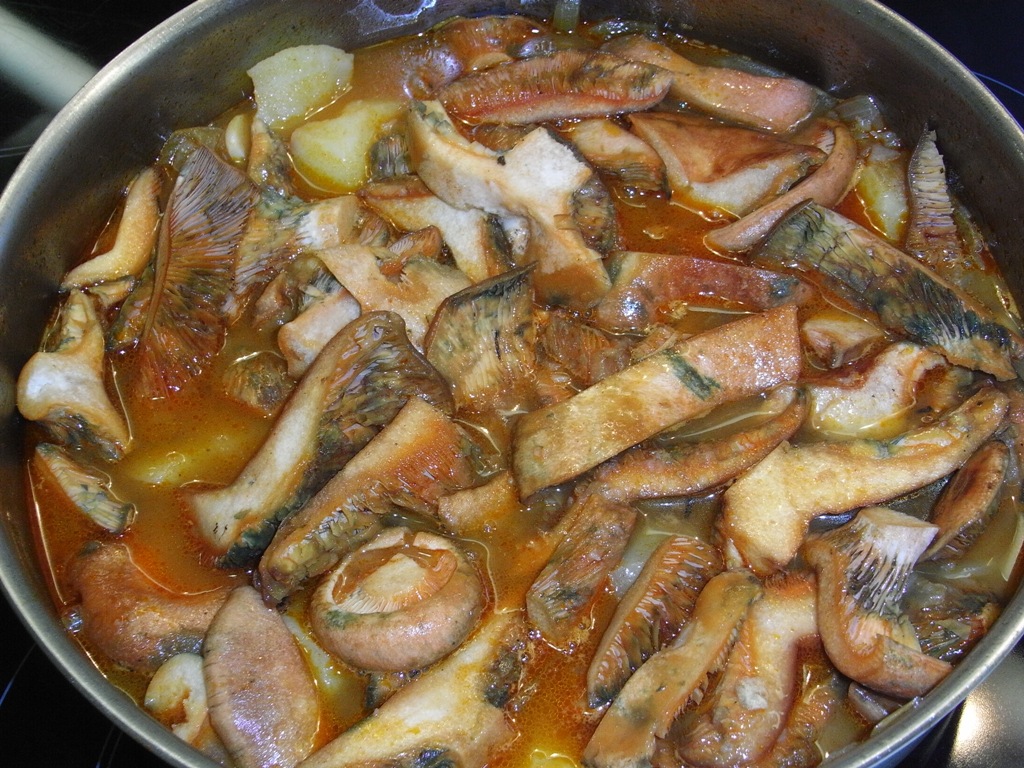
Today, the tradition is still alive. Every autumn, village kitchens are filled with intense aromas and flavours. potatoes with chanterelles, a dish as simple as it is delicious, is a clear example of this tradition. This dish, made with local ingredients, is a tribute to the wisdom of our ancestors and a pleasure for the senses.
Mycology and conservation
Despite its abundance, this mycological wealth faces some threats that endanger a valuable natural resource. The great forest fires They destroy large areas of forest, eliminating habitats essential for the proliferation of numerous species of mushrooms. In addition, indiscriminate harvesting It can damage ecosystems, altering the natural balance and putting the regeneration of fungal populations at risk.
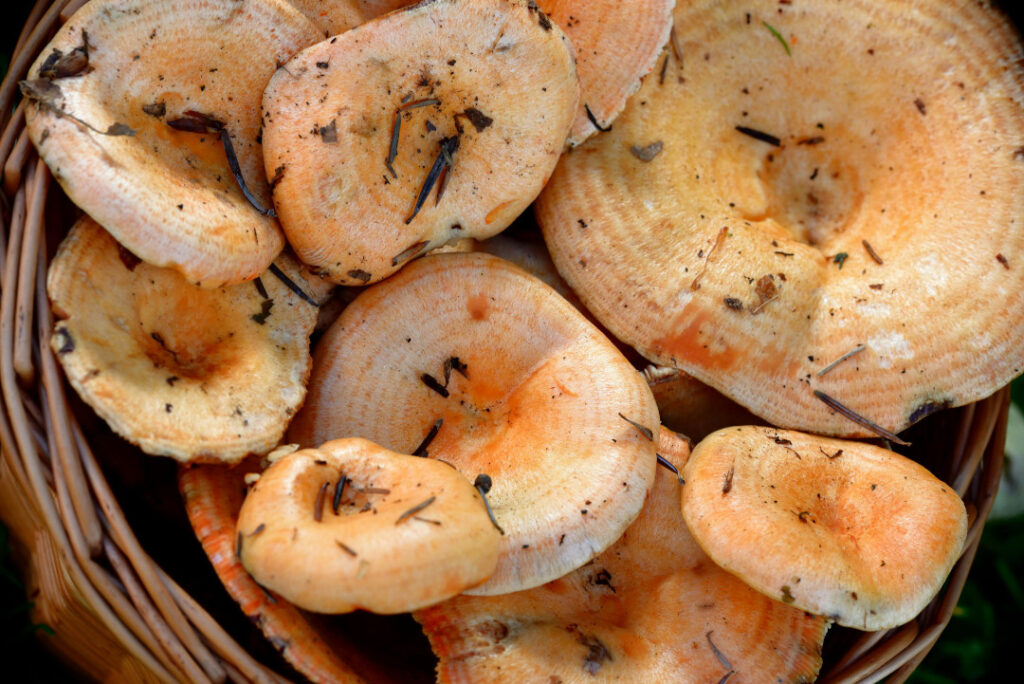
To ensure sustainable harvesting and habitat conservation, it is essential to adopt responsible practices. This involves:
- Respect the environment, avoiding damaging the mycelium (the vegetative part of the fungus) and the substrate where it grows.
- Yocorrectly identify the species before collecting them, using field guides or the help of experts.
- Finally, it is crucial comply with local collection regulations, which can vary by region and species. The conservation of natural habitats is crucial to maintaining fungal biodiversity and ensuring the enjoyment of this resource for future generations.
The Southern Iberian System is a mycological treasure that deserves to be explored and preserved. Its rich diversity of fungi not only contributes to the health of local ecosystems, but is also an integral part of the region's culture and gastronomy.
We invite readers to delve into this fascinating world, always with respect for nature and with the necessary knowledge to safely and sustainably enjoy the fungal wealth that this wonderful natural space offers us.