

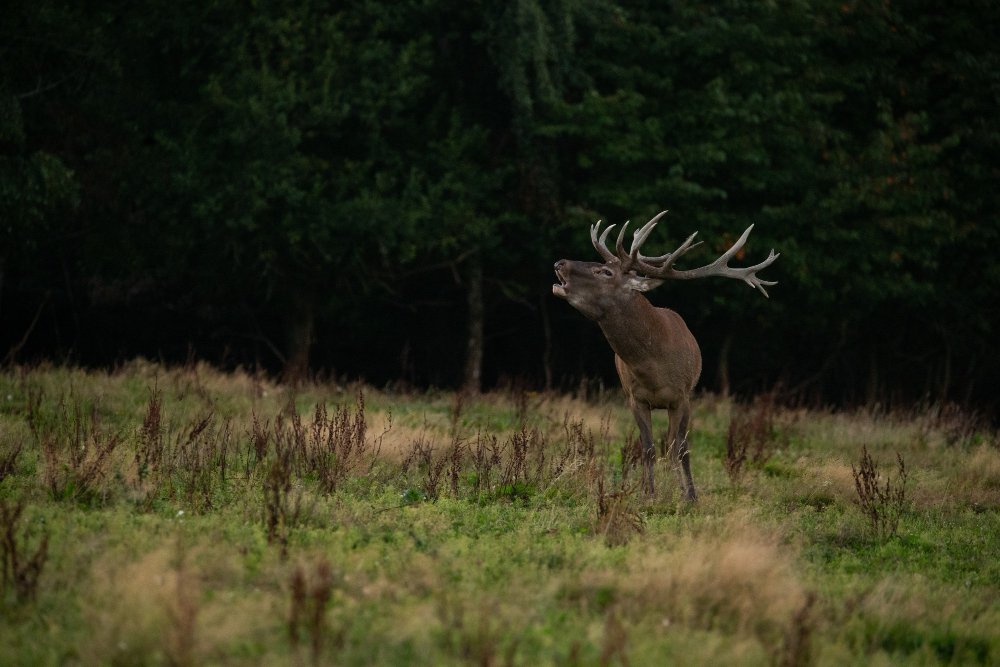
When summer comes to an end and the first cool nights announce autumn, The mountains are filled with a deep, ancestral sound: the bellowing of the deerIt is a roar that resounds through valleys and canyons, that cuts through ancient forests and echoes across silent moors, awakening something primal in those fortunate enough to hear it.
This natural phenomenon It marks the beginning of autumn in the forests and mountains of inland Spain with the precision of an ancient clock. Deer, following an instinct that dates back to the dawn of time, turn their territories into the setting for one of the most striking displays of wildlife.
In it Southern Iberian SystemIn the Albarracín, Serranía de Cuenca, and Alto Tajo mountain ranges, the rut reaches epic proportions. Here, among deep forests and spectacular canyons, this natural spectacle takes on an intensity few places in Spain can match.
What is the rut?
The rut is the deer rutting season (Cervus elaphus), the time of year when these majestic ungulates devote all their energy to reproduction. During these weeks, the males undergo a complete transformation: their behavior, their physical appearance, and, above all, their voice.
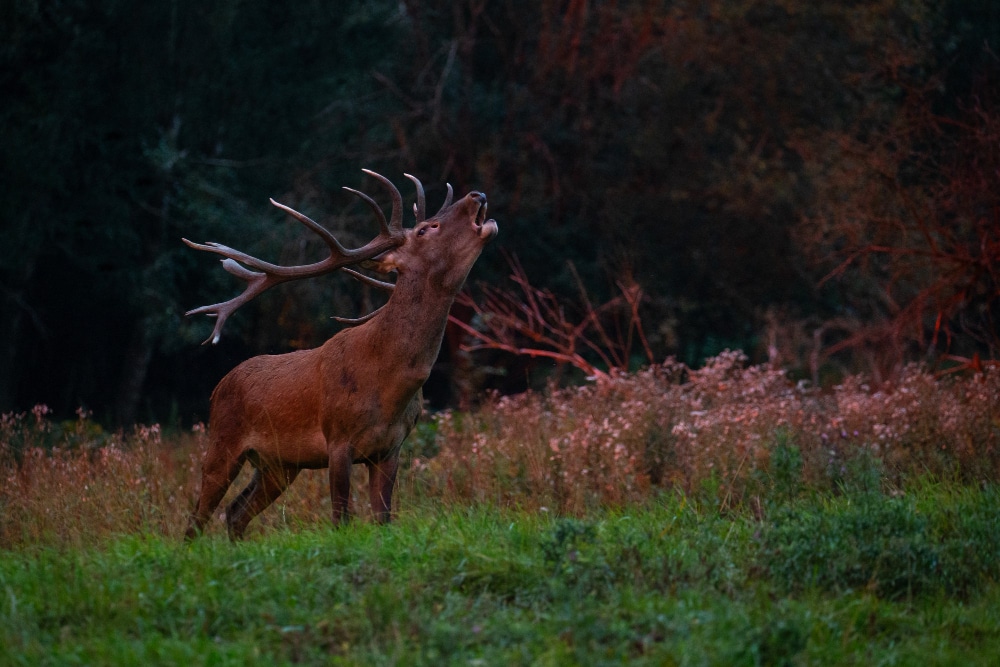
The bellows The calls that give the phenomenon its name are deep, powerful calls emitted by males that serve a dual purpose. On the one hand, they attract females by announcing their presence, their strength, and their readiness to mate. On the other hand, they warn other males that their territory already has an owner and they are ready to defend it.
These ancestral roars They can be heard from several miles away, especially at dawn and dusk. It's a voice that speaks directly to instinct, raising goosebumps and making even the most experienced observers' hearts race.
When calls are not enough to dissuade rivals, the famous ones occur ritual clashesThe males approach with their heads lowered, displaying their antlers as weapons and status symbols. The clash of antlers resonates like dry thunder through the trees, a sound that speaks of brute strength and savage determination.
The rut is pure communication, an ancient language where each bellow conveys precise information: age, size, physical condition, intentions. It's nature speaking its most primitive and powerful language.
When the rut occurs
The rut follows a precise natural calendar which varies slightly depending on the altitude and climatic conditions of each year. It normally develops between mid-September and early October, coinciding with the autumn equinox and the moment when days and nights begin to balance out.
This timing is no coincidence: it reflects millions of years of evolution that have synchronized the deer's reproductive cycle with the seasons. The fawns will be born in spring, when the tender, abundant grass ensures the best nutrition for the nursing mothers.
· intensity The phenomenon reaches its peak during the early hours of dawn and late afternoon. This is when the forests transform into cathedrals of sound, where roars overlap, creating wild symphonies that can last for hours.
The cool nights They act as a catalyst. When nighttime temperatures begin to drop below 10 degrees, the deer intensify their activity. Foggy mornings, common at this time in the inland mountains, add a mystical dimension to the spectacle.
During the full moon nights, activity is prolonged, and it's not unusual to hear intense bellowing throughout the early morning. Moonlight allows deer to move more safely, extending their periods of activity beyond their usual schedules.
The rut in the Southern Iberian System
The Southern Iberian System has exceptional conditions that make it one of the best scenarios Spain to experience the rut. Its territory combines vast forests, deep canyons, and open moorlands, creating a mosaic of habitats that deer have successfully colonized for centuries.
The Scots pine and black pine forestsThe forests that cover much of these mountain ranges offer the perfect refuge for deer populations. These mature forests, with abundant undergrowth and natural clearings, provide food and protection year-round. In autumn, they become the main stage for the rut.
The oak groves and mixed forests that populate the wetter valleys add diversity to the habitat. Deer find acorns and tender grass here, allowing them to accumulate the energy reserves they need to face the breeding season.
· diversity of scenarios It allows for very different experiences within the same territory. In the deep forests of the valleys, the bellow takes on an intimate and intimate character. In the canyons, it becomes an amplified sound spectacle. In the open moorlands, under endless skies, the bellows extend to the horizon.
How to enjoy the rut responsibly
Living the rut does not necessarily require see deer. The sound experience alone is overwhelming and allows you to connect with wild nature without disturbing the animals. In fact, many experts believe that the rut is listen more than is observed.
He silence and patience These are the primary tools for a responsible observer. Deer have extraordinarily sensitive hearing, and any unusual noise can cause them to abandon the area. Turning off your cell phone, avoiding conversations, and moving carefully are basic gestures of respect for wildlife.
The flashlights and flashlights are completely prohibited during night observation. Artificial light greatly stresses animals and can disrupt their natural behavior. If lighting is necessary, it should be minimal and use red light, which they barely perceive.
The specialized companies and local guides They offer interpretive activities that add educational value to the experience. These professionals know the best places, the most appropriate times, and observation techniques that ensure respect for wildlife. Furthermore, their knowledge of deer behavior greatly enriches the experience.
Many protected natural areas They organize educational events during the rutting season. These activities include lectures, educational workshops, and guided outings that combine responsible observation with scientific outreach. They are an excellent option for families and people experiencing this phenomenon for the first time.
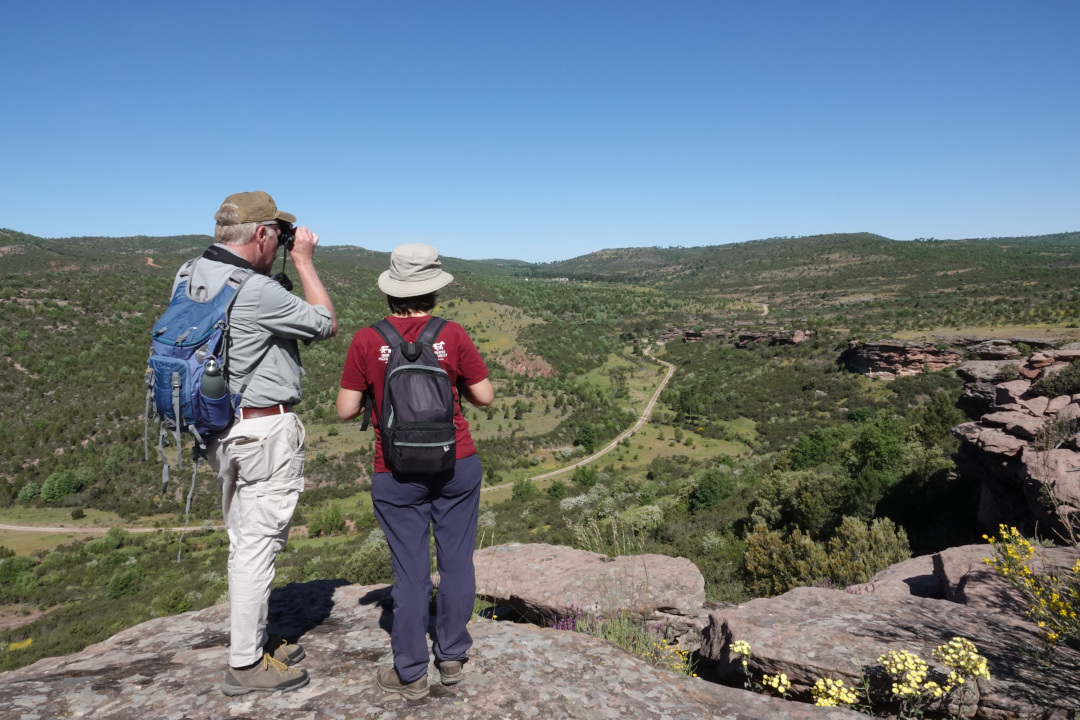
· observation distance You should always stay at a distance of more than 100 meters. Rutting deer can exhibit unpredictable behavior, and getting too close poses a risk to both animals and people. Binoculars are essential tools for enjoying the spectacle while maintaining a safe distance.
He respect for private property Compliance with the regulations for natural areas is essential. Many of the best areas to hear the rut are on private properties or in areas with restricted access. Informing yourself beforehand and requesting the necessary permits is part of the ethical code of a responsible observer.
The rut as a cultural and emotional experience
The rut transcends its condition of biological phenomenon to become a bridge between the human world and wild nature. For millennia, the inhabitants of these mountains have coexisted with this natural spectacle, integrating it into their life calendar and their cultural imagination.
The mountain villages Traditionally, they associated the beginning of the rut with the final harvest, the gathering of firewood for the winter, and the start of activities related to hunting and mushroom picking. It was a natural time marker that regulated the pace of life in the mountains.
The oral traditions Legends and tales related to the rut are preserved in many regions of the Southern Iberian System. Stories tell of gigantic deer, of bellows heard in distant villages, of encounters between shepherds and great bucks in the misty autumn forests.
For him contemporary visitor, the rut represents a unique opportunity to reconnection with natural rhythms that urban life has erased from our daily lives. It's an experience that awakens ancestral sensations, reminding us that we are part of a natural world that continues to function according to its own rules.
· sensory dimension The rut goes beyond the sound. It's also the smell of damp leaves and disturbed earth, the mist that rises from the valleys at dawn, the cold that takes your breath away, the dampness that soaks your clothes. It's a complete experience that involves all the senses.
Many people describe the rut as an experience transformerThere's something about those primitive bellows that connects directly with parts of the brain we rarely activate in our daily lives. It's a call that awakens instinct, quickens the pulse, and reminds us that beneath civilization, we're still animals.
The deep beat of the mountain
The rut in the Southern Iberian System is more than a natural spectacle: It's a symbol of wildlife at its finest. In an increasingly urbanized and technological world, these bellows remind us that there are territories where nature still sets the pace, where ancient cycles repeat themselves with the precision of clockwork.
Every autumn, when the first cold weather awakens the reproductive instinct of deer, the mountains of the Southern Iberian System are transformed into sound cathedrals where the deepest voice of wildlife resonates. It's not just a tourist attraction or a biological curiosity: it's a reminder that we are part of something much bigger than ourselves.
If you ever want to hear the deep heartbeat of the mountains, come to the mountains of the Southern Iberian System in autumn and let the bellow envelop you. It is an unforgettable experience, an ancestral call that awakens something deep within the human soul and connects us with the purest essence of nature.
Practical information for experiencing the rut
Key dates:
- Start: Second half of September
- Peak intensity: First week of October
- End: Mid-October
- Best hours: Sunrise (6:30-8:30) and sunset (18:30-20:30)
What to bring:
- Warm clothing (early mornings are cold)
- Good quality binoculars
- Comfortable and non-slip footwear
- Thermos with hot drink
- Flashlight with red filter (for emergencies only)
Essential Tips:
- Hire specialized local guides
- Maintain absolute silence
- Respect safety distances (minimum 100 meters)
- Avoid strong perfumes and odors
- Turn off mobile devices
Complementary activities:
- Information sessions at interpretation centers
- Nature photography workshops
- Interpretive hiking trails
- Observation of other species (vultures, roe deer, wild boars)
Useful resources:
- Tourist offices in the area for up-to-date information
- Interpretation centers of protected natural areas
- Local associations of naturalists
- Companies specialized in nature tourism