

Amidst the media noise of the Pyrenees either Sierra Nevada, there is another great mountain range that few know how to locate on the map: the Iberian SystemThis vast mountain range stretches silently across the interior of the peninsula, home to some of Spain's wildest and most authentic landscapes.
While millions of visitors flock to the more famous mountains, this range remains one of the best kept secrets of the country. A vast and diverse territory waiting patiently to be discovered by those seeking unspoiled nature and genuine experiences, far from the tourist bustle.
What is the Southern Iberian System?
He Southern Iberian System It is part of the great Iberian mountain range, a mountain range of more than 500 kilometers that crosses the interior of the peninsula from northwest to southeast. This southern region is characterized by being a territory of extraordinary contrasts, where elevated plateaus with wide horizons alternate with deep canyons carved by ancient rivers.
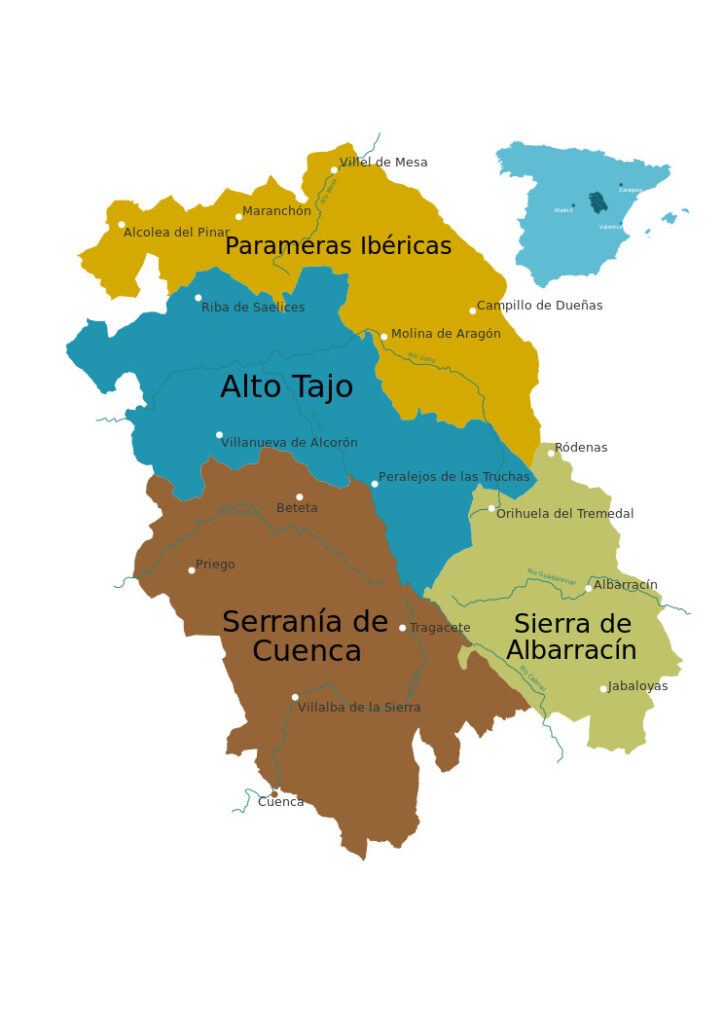
The territory we are dealing with here, some 800,000 hectares, covers four large natural areas that define its unique personality:
Serranía de Cuenca It gives us whimsical rock formations like the famous Enchanted City and the spectacular Source of the Cuervo River, where water springs from the bowels of the mountain creating waterfalls that look like something out of a storybook.
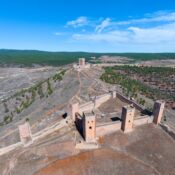
Sierra de Albarracín, for its part, combines the medieval charm of its eponymous town, declared a Historic-Artistic Site, with the unique Rodeno Pine Forests, where pines grow on reddish rocks that create almost martial landscapes.
Alto Tajo surprises us with the Natural Park that bears its name, with one of the most spectacular and unknown canyons in the country, not to mention its juniper forests and the “La Sierra” area.
Parameras Ibéricas, which extend between Aragon and Castile, complete this natural mosaic with their extensive high mountain plains. These endless moors, battered by wind and rain, have become the last refuge of steppe birds which in other places have completely disappeared.
The characteristics that make it unique
Fascinating geology
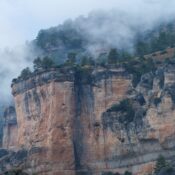
The geology of the Southern Iberian System tells a fascinating story written in limestone For millions of years, karst formations have created an underground world of caves, sinkholes, and karst pits that emerge to the surface in the form of enchanted cities and lunar landscapes. river canyons, patiently carved by rivers that have excavated the rock for millennia, create spectacular gorges where the water meanders between vertical walls.
The altitude varies capriciously from the 800 meters from some valleys to peaks that exceed the 2,000 meters, creating a climatic gradient that allows for the coexistence of highly diverse ecosystems. The calcareous soils, predominant throughout the region, give rise to these characteristic whitish landscapes that contrast dramatically with the intense green of the forests.
A refuge for Iberian fauna
This geological diversity has created a true refuge for the Iberian faunaThe skies of the Southern Iberian System are the territory of griffon and black vultures They glide majestically, taking advantage of the thermal currents that emerge from the canyons. Golden and Bonelli's eagles have some of their best hunting grounds here, while peregrine falcons nest in the rocky cliffs.
In the densest forests they live deer, roe deer, fallow deer, goats and wild boars who have found the perfect refuge in these places. otterAn indicator of the excellent water quality, the lake floats along the cleanest rivers alongside native trout and crayfish. Even the elusive wildcat finds the ideal habitat to survive here.
But perhaps the most surprising thing is the steppe birds that populate the moors. The ricotí larkA critically endangered species, the Eurasian bustard finds one of its last strongholds in these high mountain plains. The common bustard and the common sandgrouse complete a list of species that have disappeared from much of Spain.
Landscapes of contrasts
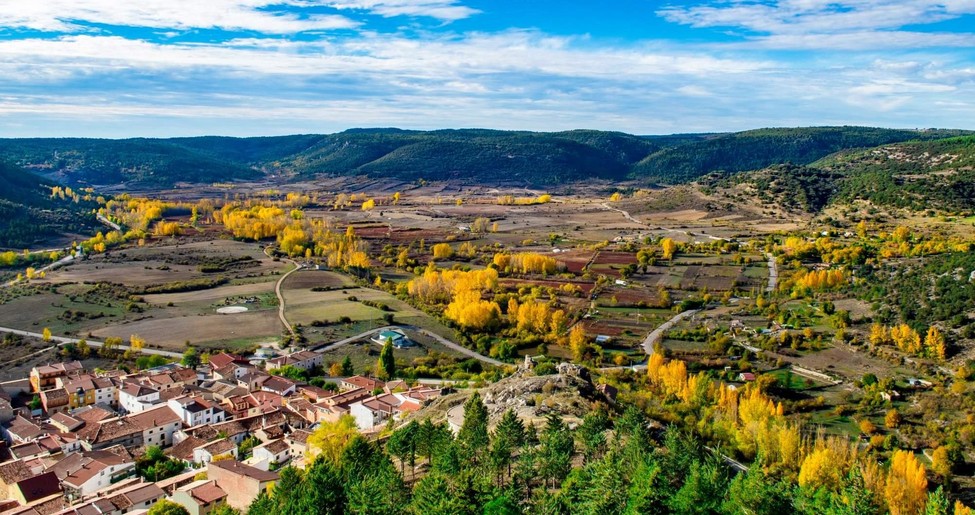
The landscapes change radically depending on the area and altitude. dense pine forests Scots and black pine alternate with juniper forests where some specimens are over a thousand years old. open moorlands offer endless meadows ideal for wildlife viewing, while the crystal clear rivers They meander through riparian forests, creating oases of greenery in the midst of aridity.
Why it remains forgotten
The lack of knowledge about the Southern Iberian System has explanations that go beyond simple chance. low population density The region's lack of population, with many towns having fewer than one hundred inhabitants, has led to a progressive rural depopulation since the 1960s, which has caused these lands to fall off the media radar.
· less accessibility It also plays an important role. Without major communication routes, the mountain range is traversed via secondary and country roads that require more time and patience. There are no massive ski resorts or large hotel complexes here that generate constant tourist flows.
· absence of tourism marketing Institutional promotion, compared to the promotion received by other mountain destinations, has contributed to keeping this mountain range in the shadows. The Pyrenees attract the bulk of mountain tourism, the Sierra Nevada concentrates the skiing offer in the south of the Iberian Peninsula, and the Picos de Europa monopolize much of the hiking in northern Spain.
However, this apparent disadvantage has become the greatest treasure of the Southern Iberian System: authenticity. Here, it's still possible to walk for hours without crossing paths with another hiker, listen to the true silence of nature, discover villages where time seems to have stopped, and observe wildlife undisturbed by humans.
A territory to discover
When to visit
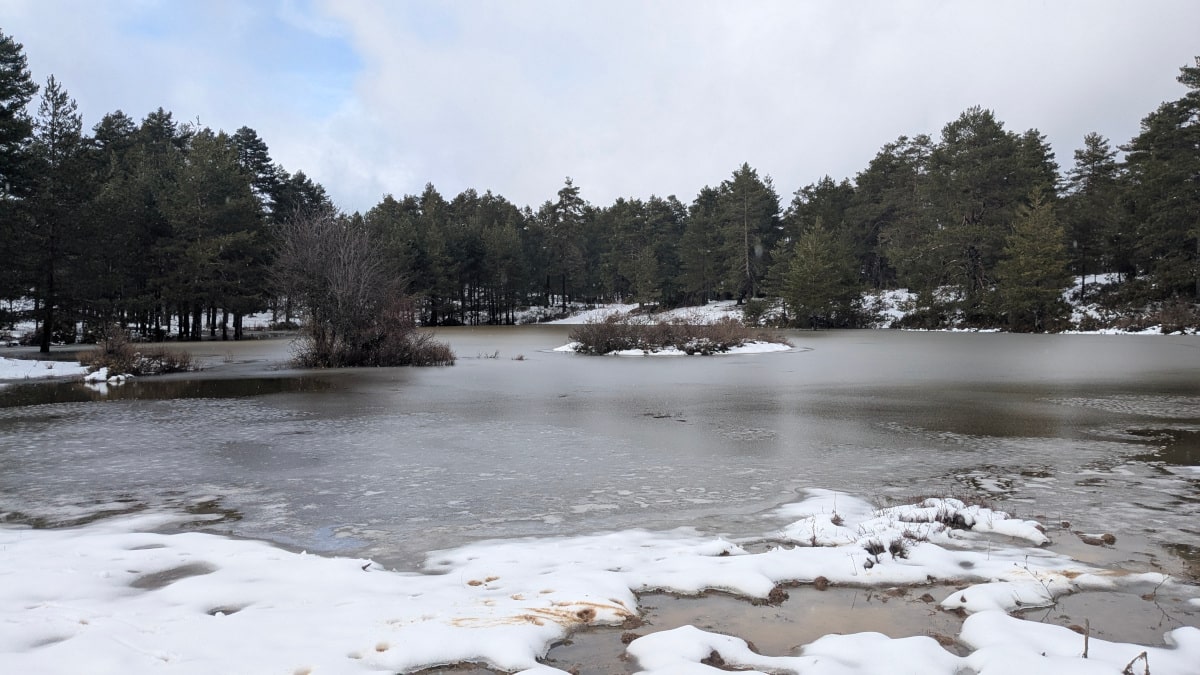
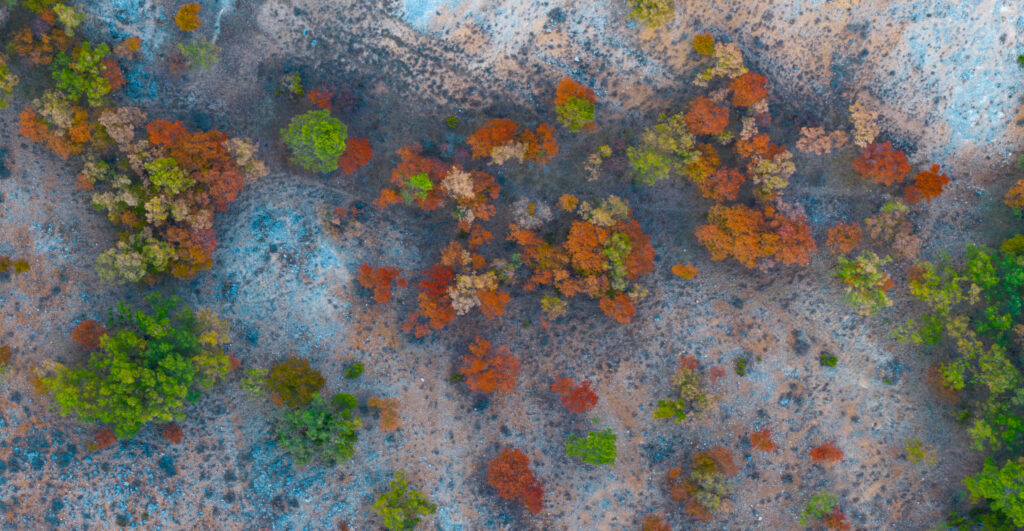
· best time to enter the Southern Iberian System covers from April to June, when temperatures are mild and the flora explodes in a symphony of colors and aromas. autumn, from September to November, offers an incomparable chromatic spectacle with stable skies that invite long walks. Even the winter It has its own particular charm, with snowy landscapes that completely transform the appearance of the mountain range, although it requires appropriate equipment and mountain experience.
To do
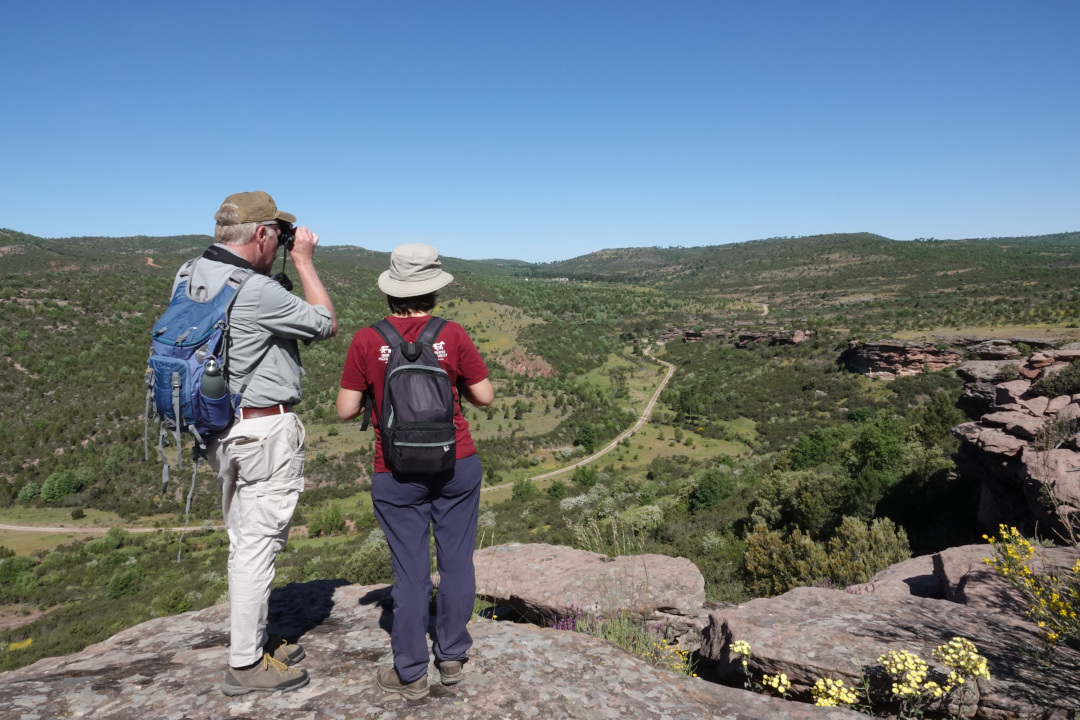
The possibilities for activities are endless. The hiking offers routes for all levels, from family walks of a couple of kilometers to multi-day treks for experienced mountaineers. nature photography Here you will find a paradise, especially for observing and capturing birds in their natural habitat.
He cultural tourism Discover medieval villages where popular architecture has remained intact for centuries. And when night falls, the clear skies of the Southern Iberian System become a natural laboratory for astrotourism, with minimal light pollution that allows you to enjoy the Milky Way in all its splendor.
Useful resources
· network of interpretation centers In protected natural areas, it offers detailed information on the fauna, flora and geology of each area. local guides, true connoisseurs of every trail and every corner, can turn a simple excursion into an unforgettable experience. rural accommodations, respectfully integrated into the landscape, provide the perfect rest after a day of discovery.
The last secret
The Southern Iberian System represents everything that the Mass tourism has not managed to alter Still. Unspoiled nature, towns with soul, breathtaking landscapes, and, above all, the real possibility of disconnection in an increasingly connected and saturated world.
In these times when tourist destinations are becoming more crowded and losing their essence, this mountain range offers something that is becoming unique: the privilege of silence, the authenticity of the unchanged, and the opportunity to experience the mountain as our ancestors knew it.
If you're looking for unspoiled nature and villages with soul, here you'll find one of Spain's best-kept secrets. A land that whispers ancient stories to those who know how to listen, where every sunrise promises discovery and every sunset offers unforgettable moments. Do you dare to be one of the few who know it?