

In the heart of the Iberian Peninsula is one of the most surprising and diverse territories from a natural point of view: the Southern Iberian System. This vast territory encompasses Four natural spaces of exceptional ecological and landscape value which together represent one of the most outstanding and at the same time unknown destinations for the practice of ecotourism in Spain. Through this tour, we will discover the unique characteristics of the Alto Tajo, Serranía de Cuenca, Parameras Ibéricas and Sierra de Albarracín, spaces that make up a natural mosaic of incalculable value.
Alto Tajo: The Grand Canyon
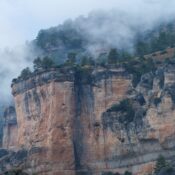
He Alto Tajo Natural Park It stands as one of the most impressive spaces in the Iberian Peninsula. With an area of over 105,000 hectares, this place has been shaped over millions of years by the incessant action of the Tagus River, which has carved deep canyons and gorges into the limestone rock, creating vertical walls that in some places exceed 100 metres in height.
However, the geological wealth of the Alto Tajo goes beyond the river itself. Its extensive network of tributaries, such as the Gallo, the Arandilla, the Cabrillas and the Ablanquejo, has created other impressive landscapes such as the Barranco de la Hoz or the Barranco del Arandilla, each with its own personality and beauty. These canyons and gorges, together with the unique rock formations, form a natural labyrinth of great geological value.
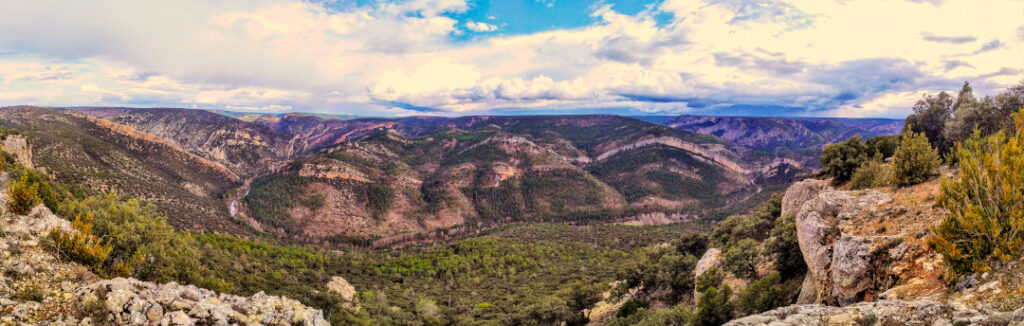
The natural wealth of Alto Tajo is manifested in its extensive pine forests, oak forests and juniper forests, which are home to exceptional biodiversity. Among their treetops, it is possible to spot majestic birds of prey, including the griffon vultures that have found the perfect refuge for nesting in these cliffs. Birdwatching enthusiasts can enjoy observing these and other species from the various viewing points strategically located throughout the park.
Among the most outstanding places, we find the Poveda's waterfall and the Taravilla Lagoon, authentic natural treasures. The Sunken Armallones It is another geological wonder, a deep natural fissure that invites exploration. saw which covers the municipalities of Checa, Orea and Peralejos offers spectacular panoramic views and hiking routes for all levels. And finally, the Valley of Miracles, with the enigmatic Cave of the Casares, which holds ancient secrets.
Since its four Interpretation Centres, visitors are offered a first approximation to the natural and cultural wealth of the area.
Serranía de Cuenca: a labyrinth of rock and water
· Serranía de Cuenca It is presented as a territory where water and rock have created a dream landscape. This natural space, which covers more than 73,000 hectares, is Known worldwide for its unique geological formations, among which the following stand out: Enchanted City, The Alleys of Las Majadas and the Beteta Sickle, true natural museums of whimsical shapes sculpted by erosion over millennia.
The extensive forests of black pine and juniper that cover the mountain range constitute one of the best preserved forest ecosystems on the peninsula. These forests not only provide crucial habitat for species such as wild cats and otters, but are also home to a rich diversity of fungi and lichens, some of which are endemic to the area.
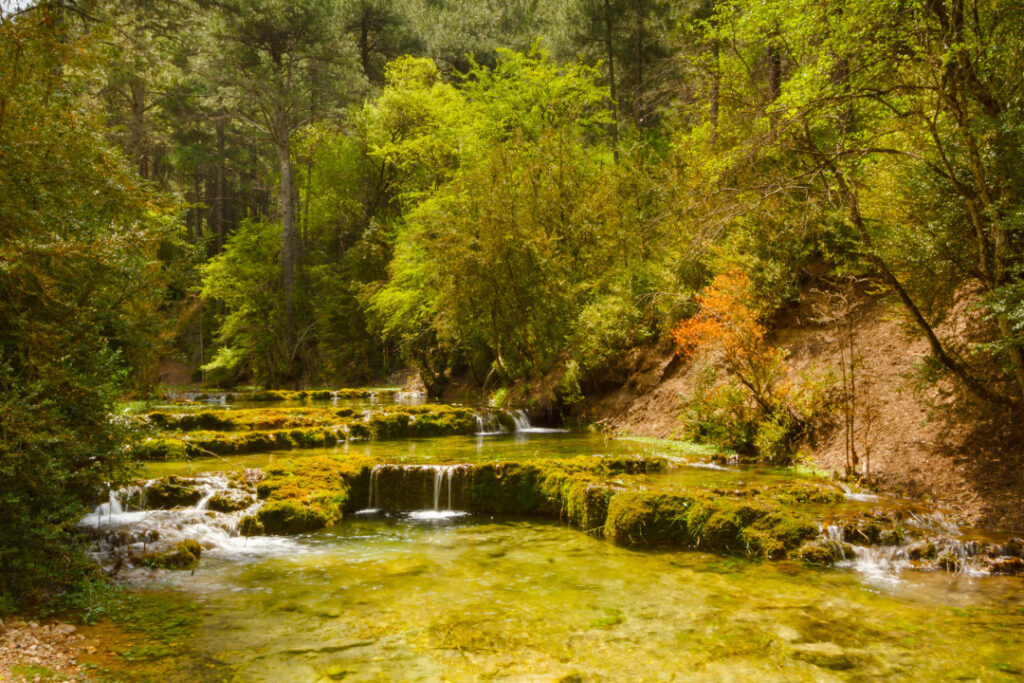
One of the most fascinating aspects of the Serranía de Cuenca are yours karstic lagoons. These mirrors of crystal-clear water, like the Uña Lagoon, Tobar Lagoon or Marquesado Lagoon, represent authentic oases of biodiversity and points of great interest for nature lovers. Uña Interpretation Centre provides detailed information on these aquatic ecosystems and their ecological importance.
Not forgetting the Birth of the Cuervo River, a natural spectacle that will leave you breathless. Located on the Serranía de Cuenca, this place captivates visitors with its crystal-clear waterfalls that fall from high ledges, forming a dreamlike landscape. The constant flow of water has sculpted whimsical rock formations and emerald-coloured pools over the centuries.
Parameras Ibéricas: the kingdom of silence
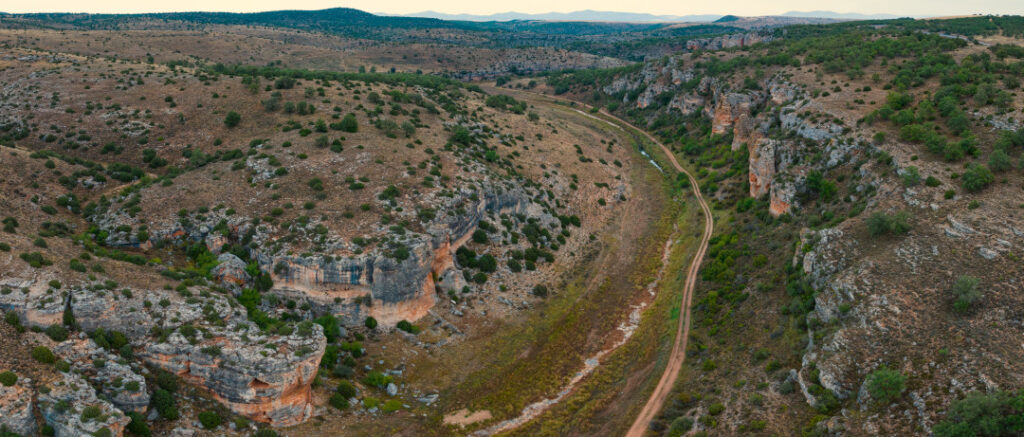
The Parameras Ibéricas represent a unique landscape in the context of the high Mediterranean mountains. This territory, characterized by its vast expanses of moors and steppes, extends over an area of approximately 95,000 hectares, offering visitors an immersive experience in a landscape where silence and horizontality are the protagonists.
The apparent austerity of the moors hides a surprising natural wealth. The flora, adapted to extreme climatic conditions, presents unique endemisms that have evolved to survive in this challenging environment. The parameras are also home to important populations of steppe birds, Standing out among all of them is the elusive Ducot's lark, making the area a privileged destination for ornithological tourism.
If we talk about birds, we cannot forget the lagoons. In the plains, the Gallocanta Lagoon, but there are many more. Between the Lordship of Molina and the Aragonese part there are about ten relevant lagoons and many more smaller onesIts main visitor is the common crane, but it is not the only one. Some of these wetlands have interpretation centres and networks of viewing points that allow you to observe the rich birdlife in its natural habitat.
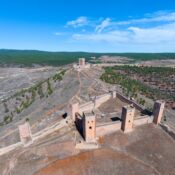
In addition to the extensive plains, the landscape is enriched by the presence of deep gorges, such as those of the Mesa River and Piedra River, which contrast with the horizontality of the steppe. The Aragoncillo and Sierra Menera mountain ranges, on the edge of the moor, add a touch of verticality to the landscape and offer excellent panoramic views. And we cannot forget the town of Mill of Aragon, a charming medieval village which serves as a gateway to this unique ecosystem.
Sierra de Albarracín: where time stops
· Sierra de Albarracín emerges as a territory where nature and history coexist in a unique way. With an area of over 60,000 hectares, this natural space It is surprising for its ancient forests, which create a landscape of great beauty and ecological value.
The crystal-clear rivers that flow from its rocks, such as the Guadalaviar, the Cabriel and the Tajo, have shaped the landscape, creating valleys and ravines of great beauty. trail network that crosses the mountain range allows visitors to explore these virgin landscapes, where it is possible to find vestiges of human history in the form of cave paintings declared a World Heritage Site by UNESCO.
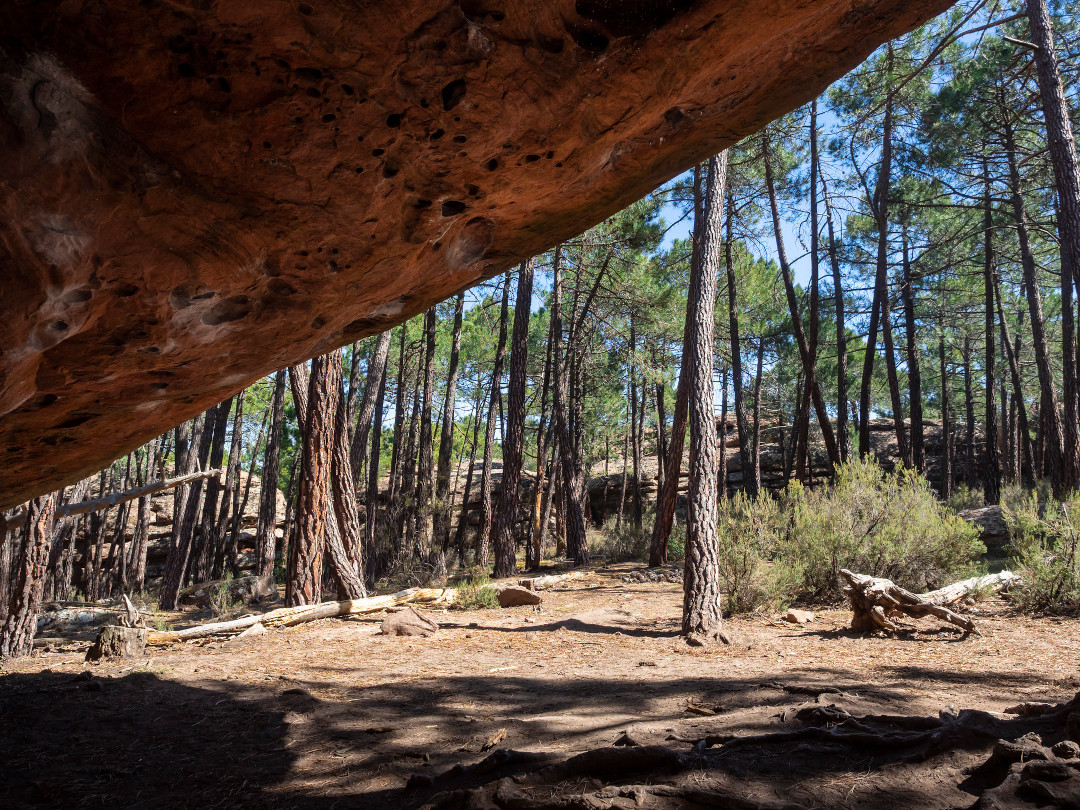
He Interpretation Centre of the Montes Universales, in Orihuela del Tremedal, serves as an ideal starting point for exploring the mountain range. Here, visitors can obtain information on the most important routes and the natural and cultural values of the area, as well as best practices for enjoying this environment in a sustainable way.
A unique destination for ecotourism
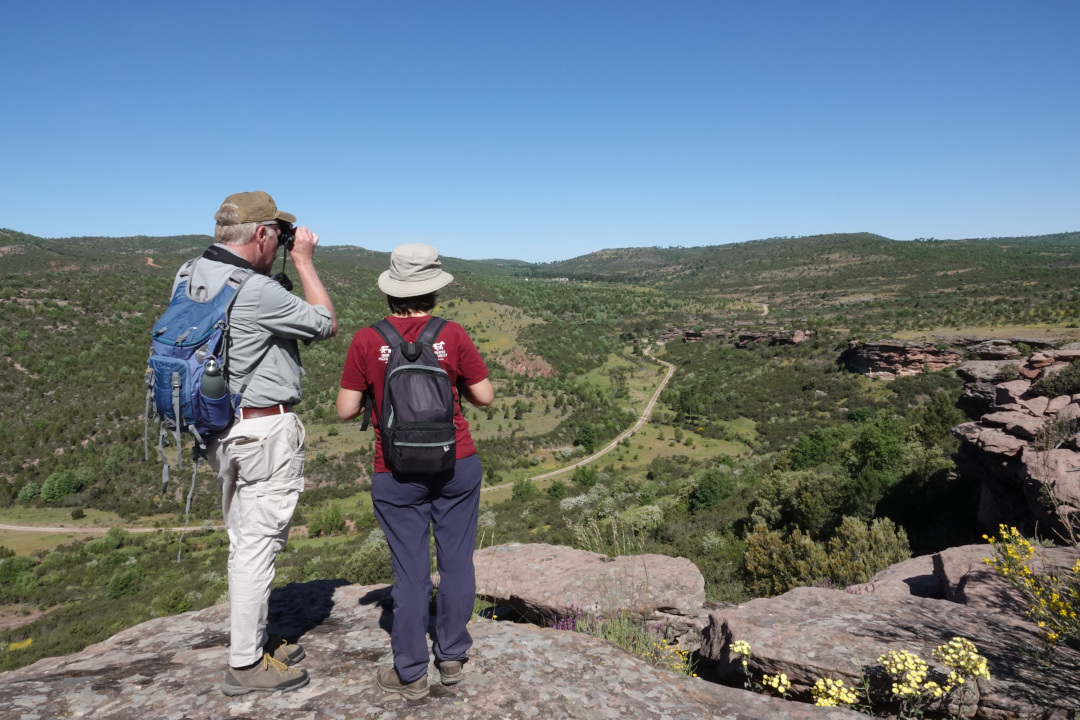
The Southern Iberian System, with its four natural areas, is presented as an incomparable destination for nature and ecotourism lovers. The diversity of its landscapes, the richness of its biodiversity and the possibility of carrying out environmentally friendly activities make this territory a unique place to connect with nature in its purest form.
Whether you are looking for adventure, tranquility or simply want to immerse yourself In some of the most authentic and preserved natural spaces in Spain, the Southern Iberian System awaits you to offer you unforgettable experiences in the heart of the Iberian Peninsula.